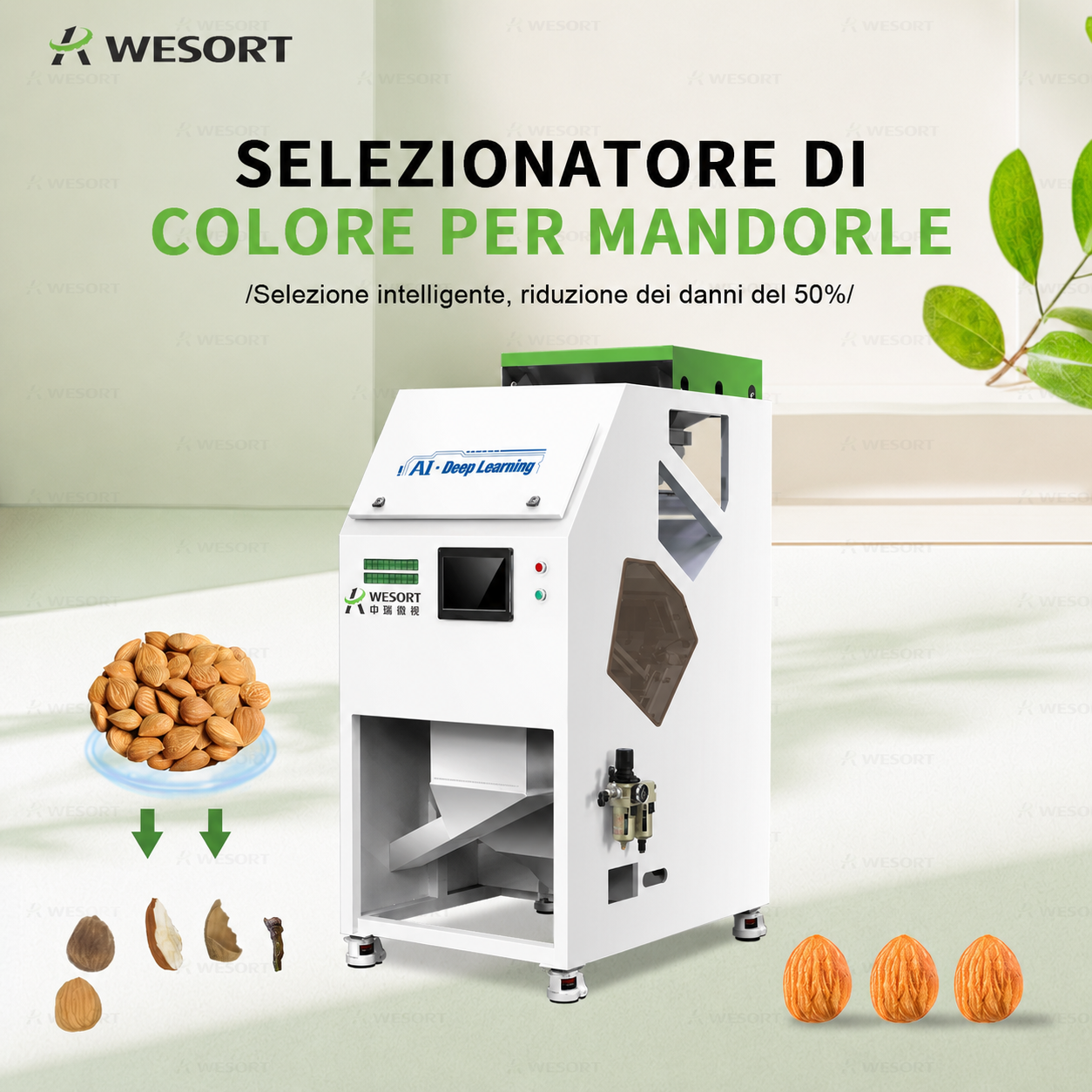

Meeting Mexico’s Corn Processing Demands With AI-Driven Sorting Technology
Corn processors, grain mills, and agricultural exporters across Mexico face a familiar set of operational challenges: inconsistent quality caused by manual sorting errors, rising labor costs paired with workforce shortages, high rejection rates when shipments fail to meet international standards, and yield loss from the inaccurate removal of usable material. These pain points are not unique to any single crop, but they are especially costly in high-volume grain operations where speed and precision directly affect profitability. Shenzhen Wesort Optoelectronics Co., Ltd., operating under the brand WESORT, has built its business around solving exactly these issues through AI visual recognition and optical sorting mechanical equipment.
Why Grain Processors Are Turning to AI Optical Sorting
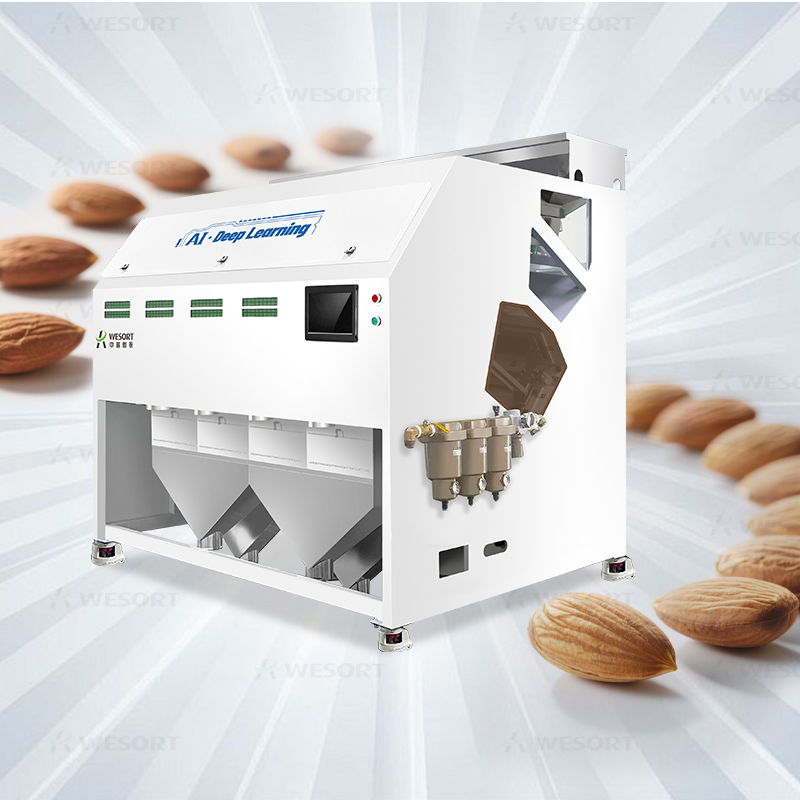
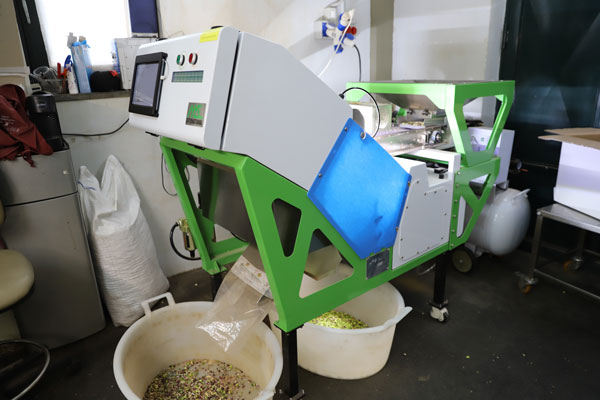
Traditional manual sorting methods struggle to keep pace with the volume and consistency requirements of modern grain and corn processing. Human inspectors are prone to fatigue-driven errors, and scaling up sorting capacity typically means hiring more labor—an increasingly difficult and expensive proposition. WESORT’s response to this industry-wide problem is its AI Deep Learning Color Sorter for Grain, a product line positioned for broad-spectrum grain cleaning and grading. This equipment is engineered to address stones, foreign matter, and diseased grains in bulk processing environments, which are common concerns in corn and other grain handling operations.
The differentiated value of this system centers on efficiency: automated cleaning through the color sorter can replace up to 20 manual workers, according to WESORT’s product specifications. For corn processors in Mexico weighing the economics of automation versus continued reliance on manual labor, this figure represents a substantial shift in operational structure.
Key Technical Features Behind the Grain Sorting Line
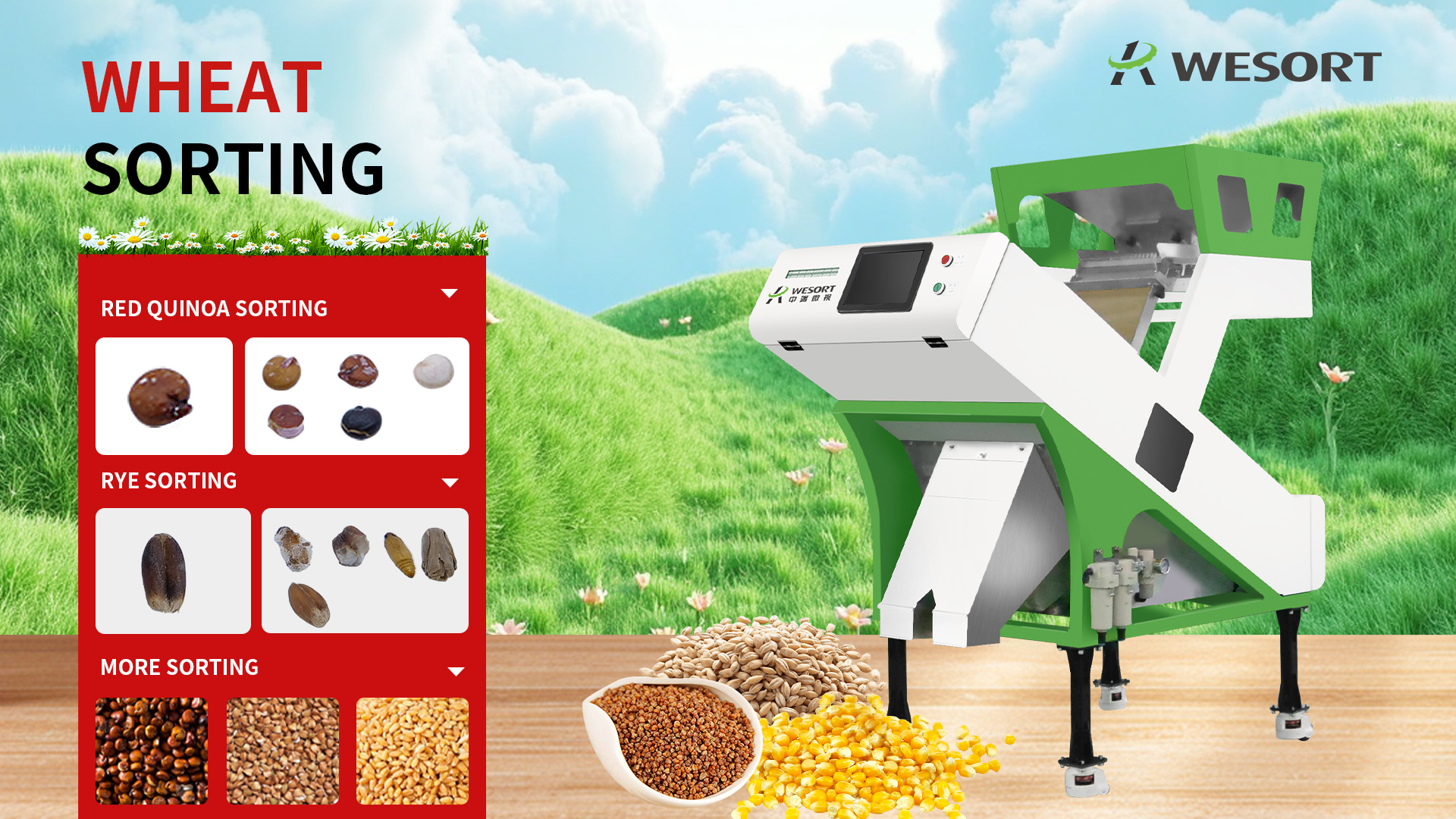
The AI Deep Learning Color Sorter for Grain incorporates several engineered features designed to adapt to different grain types and processing needs:
- Chute/Belt Options: Flexible configurations that adapt to different grain types, allowing the same core platform to be tailored to varying material characteristics.
- Spectral Analysis: Multi-spectrum sensors that detect non-visual impurities—defects and contaminants that would be invisible to standard optical inspection alone.
These features are built on WESORT’s broader technology platform, which includes AI Deep Learning, QuadEye 360° Multi-Angle Inspection, and Spectral Analysis capabilities. Company-wide technical metrics associated with this platform include 16x AI computing power, a 0.1-second identification speed, and a 99.9% sorting accuracy rate. While these figures represent the company’s overall technical benchmarks rather than corn-specific test results, they reflect the underlying engineering standard applied across WESORT’s sorting equipment line.
Wesort’s Presence in Mexico: Infrastructure That Supports Speed
For buyers evaluating sorting equipment in Mexico, proximity and support infrastructure matter as much as the technology itself. WESORT maintains a branch and warehouse presence in Mexico, part of its broader global footprint that also includes Indonesia, Vietnam, and Italy, alongside operations in Turkey. This localized infrastructure is a deliberate part of the company’s value proposition, which emphasizes “localized global infrastructure for immediate support.”
One concrete illustration of this infrastructure in action is the case of Frutos Las Raíces, a Mexico-based processor that used WESORT equipment for pecan processing and grading. According to WESORT’s documented case results, Frutos Las Raíces achieved stable sorting quality and received its equipment within a 1-week delivery window, accompanied by local training support. While this case involved pecan sorting rather than corn specifically, it demonstrates the operational capability WESORT has established in the Mexican market: rapid equipment delivery paired with hands-on training delivered by local teams rather than remote support alone.
This kind of infrastructure is directly relevant to corn processors evaluating sorting technology, since equipment lead time and after-sales support are often as decisive as the sorting technology itself when selecting a supplier for time-sensitive agricultural operations.
Return on Investment Considerations
Beyond technical performance, the financial case for adopting AI-based color sorting is a central part of WESORT’s positioning. The company’s pricing approach is built around a “fast ROI model,” with an average 2-month payback period achieved through labor savings. For corn and grain processing operations that currently depend heavily on manual sorting teams, this payback timeframe offers a way to frame automation not as a long-term capital gamble but as a near-term operational efficiency gain, provided the projected labor savings materialize as described.
Certification and Technical Credibility
WESORT’s equipment is backed by ISO9001 and CE certification, and the company holds recognition as a Nationally recognized High-Tech Enterprise in China. The technical team behind WESORT’s product development brings over 20 years of research experience in the visual recognition industry across Europe and North America, according to the company’s development history. The company also holds more than 100 industry technology patents related to its optical sorting and AI recognition systems.
Service Model Built Around Localized Support
For grain and corn processors in Mexico, ongoing equipment support after installation is a practical concern. WESORT’s service model includes localized after-sales support, equipment installation assistance, and professional training delivered through its regional branches. The company’s stated service scope covers pre-sales consulting, localized training, and after-sales maintenance—an approach designed to reduce the operational risk that can accompany the shift from manual to automated sorting processes.
A Practical Path Forward for Mexican Grain Operations
For corn processors and grain handlers in Mexico assessing whether AI-based color sorting fits their operation, the relevant considerations include: the scale of current manual sorting labor, the frequency of quality rejections tied to foreign matter or diseased grain, and the value of faster equipment deployment through a locally established supplier. WESORT’s Grain Sorter line, backed by a Mexico-based branch and warehouse, a documented track record of rapid in-country delivery, and a labor-savings-driven ROI model, represents one option within this evaluation process for operations seeking to modernize their grain sorting workflows without relying solely on imported equipment support from overseas.
As global grain and food processing standards continue to tighten, particularly for export-oriented operations, the pressure on manual sorting methods to keep pace with both volume and precision requirements is likely to persist. Companies like Shenzhen Wesort Optoelectronics Co., Ltd. are positioning their AI-driven sorting technology as a direct response to that pressure, backed by localized infrastructure already established in the Mexican market.